Why Treant Protector was the most contested hero at The International 2026

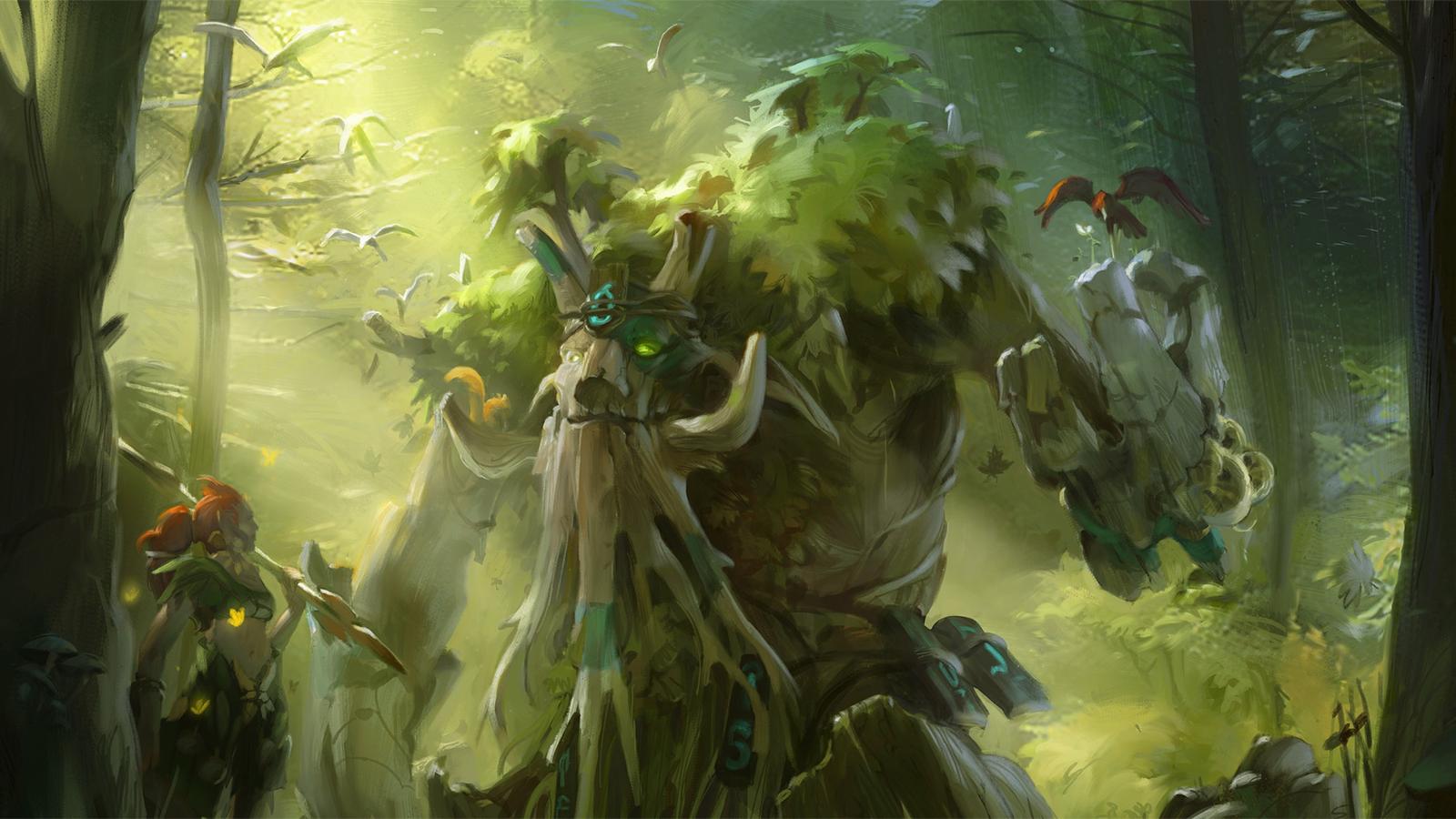
Treant Protector was picked or banned in all 148 games at TI 2026. He was banned 139 times (94.6% of matches) and picked 8 times, boasting a 87.5% win rate.
In the 15-year history of The International, only once before has a hero achieved a 100% contest rate. In fact, there were two heroes at the same TI edition with a 100% contest rate.
If you have been around for long enough, you might remember the disco Pony meta or The International 2015. Eleven years ago in Seattle, Leshrac and Gyrocopter were BOTH picked or banned in all 163 games played.
What connects TI 2015's Leshrac and Gyrocopter to TI 2026 Treant Protector is the same basic idea: when a hero warps the draft so completely that teams refuse to let it through, it signals a fundamental imbalance in the meta.
This year’s TI meta revolved around team fights.
Early map connections and team fights, vision and the ability to corner the adversary in their base were the most important aspects of the game. We’ve seen Illya "Yatoro" Mulyarchuk in the grand final come to fight with his team only six minutes into the game, helping Team Spirit to push towers as a unit and pressuring the enemy relentlessly.

A simple Treant Protector can slow you down a lot, and it can provide information that would make early rotations near impossible.
Treant Protector’s entire spell kit is a perfect storm of frustrating, game-warping tools that make the hero a nightmare at every stage of the game. Living Armour, Leech Seed, Nature's Guise, Overgrowth, a BkB piercing ultimate, and Eyes in the Forest are all extremely powerful tools. Some with free mana.
How did we get here?
The 7.40 rework
The foundation of Treant's dominance can be traced back to the 7.40 rework, which systematically removed the hero's traditional weaknesses. Mana issues? Gone. Leech Seed no longer costs mana. The rework also removed the necessity of buying Aghanim's Shard to unlock his true potential. Previously, Treant had to invest gold to become a true global threat. Now, it’s in his base kit.
Free trades and loaded spells
Treant's laning presence is as strong as it can get. His insane right-click damage at level 1 makes trades brutally one-sided. Leech Seed, with its free mana cost, provides magic damage, a root, a disarm (an often-overlooked aspect), and hefty healing all in one spell. It's a loaded ability that offers sustain, lockdown, and damage without any resource cost.
Living Armor adds to the pain Treant is through the laning stage. This single skill completely changes the laning dynamics. If Treant is on the enemy team, you are always going to make a bad trade somewhere. Living Armour's effective HP boost and the fact that it’s a global spell mean that heroes survive engagements they shouldn’t, and towers stay alive longer. And as Dota is also a mental battle, knowing that Treant could globally swing a trade or save a building from across the map is a true mental burden.
Vision and scouting
One of the most overlooked aspects of Treant's power is his role as a walking ward. In a meta where teams wanted to fight from early stages, vision was paramount. Treant is the best at providing it. His ability to move through the trees, scout aggressively, and establish vision without being detected made map control a nightmare for opponents.
Which is a bit interesting when we think of how many teams took their chances against Team Yandex’s Bounty Hunter, who, at the end of the day, was just another option for Treant.
What makes Treant’s invisibility especially valuable is the economic impact. Teams have to constantly sink gold into Sentry Wards to either catch him or see if he is lingering in trees.
Alongside Bounty Hunter, Treant creates an economic drain on enemy supports, delaying their item timings and further widening the gap between the two teams' support duos.
The BKB problem
Another damaging aspect of Treant's kit in the current meta is his interaction with Black King Bar. Overgrowth, his ultimate, is a BKB-piercing disable, one of the rarest and most powerful tools in the game. This single ability has profound implications for melee carries who are already struggling in the current meta.
Five layers of annoyance
- Laning dominance: Free spells and strong right-click make trading impossible.
- Global impact: Living Armor saves lanes and towers from across the map.
- Vision superiority: Invisible scouting creates economic problems for enemy supports.
- BKB-piercing utility: Overgrowth and disarm cripples melee cores.
- No bad timing: Treant is never useless. Ahead, behind, or even, he always contributes in some way.
On top of all, Treant Protector is a position 5 support, and it can be picked early without telling the other team much about what you are planning for the rest of your draft.
Solutions
There are answers to individual parts of the hero, obviously. Cut trees, buy detection, dispel things, draft heroes that don't care as much about Overgrowth. But if a team needs to spend multiple picks/items/gameplay decisions trying to solve the other team's position 5, you can easily understand why they choose not to deal with it at all and why it was first-ban phase material the entire TI.