Ukraine's esports ban returns ahead of the Esports Nations Cup

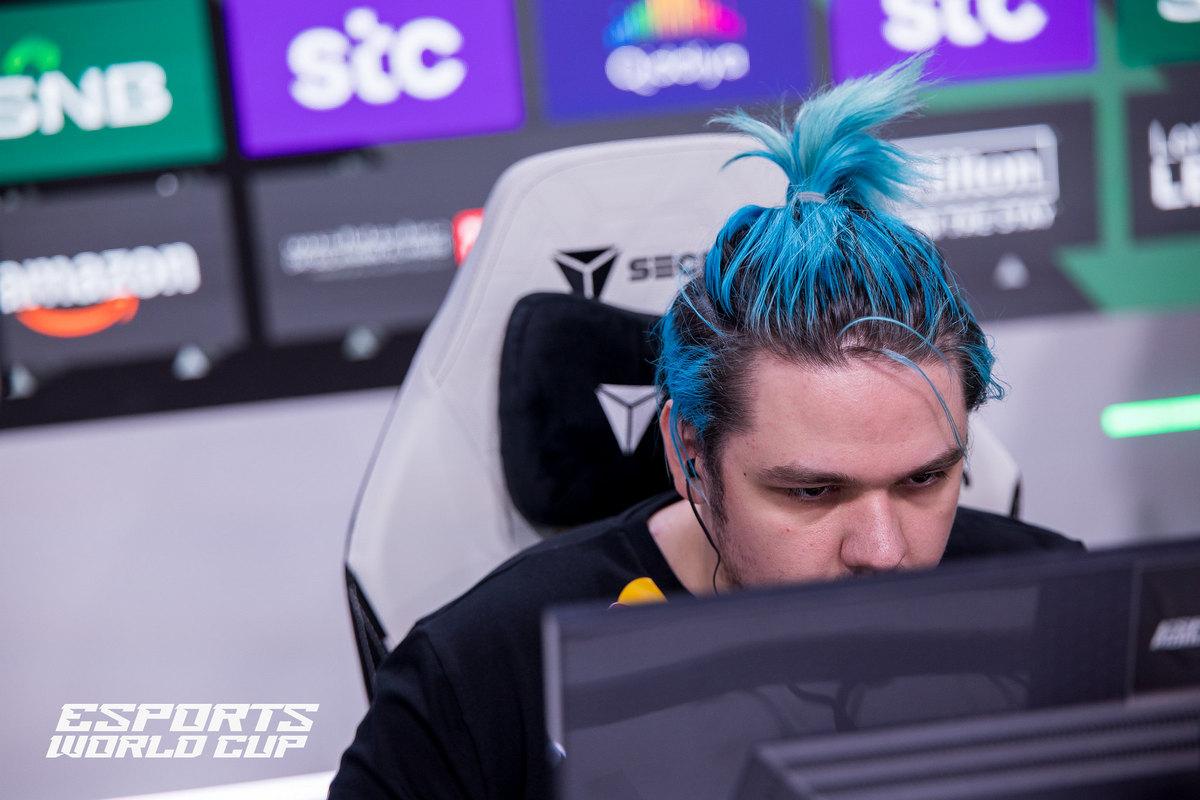
With the Esports Nations Cup just around the corner, the Ukrainian Esports Federation (UESF) has once again reaffirmed restrictions preventing certain players from representing Ukraine in federation-sanctioned competitions. While the policy itself is not new, its reissue ahead of the tournament has once again reignited discussion around where competitive esports ends and national representation begins.
Originally introduced following Russia's full-scale invasion of Ukraine in 2022, the federation's restrictions prohibit Ukrainian players from receiving federation support or representing Ukraine in official UESF competitions if they continue to compete for Russian organizations or alongside Russian players under circumstances outlined in the federation's regulations.
The policy itself has not changed significantly. Its timing, however, has. With the Esports Nations Cup approaching, the UESF has effectively reminded players that the rules remain in force.
It is important to distinguish what this decision actually affects.
This is not a ban from professional esports.
Players remain free to compete in Valve events, ESL tournaments, BLAST competitions, PGL events, or for international organizations. Instead, the restrictions apply specifically to national representation through the Ukrainian Esports Federation and participation in federation-backed competitions.
Who is affected?
Several of Ukraine's most recognizable esports stars have spent recent years competing on multinational rosters that place them under the federation's restrictions.
In Dota 2, players reported to be affected include:
- Illya "Yatoro" Mulyarchuk
- Myroslav "Mira" Kolpakov
- Artem "lorenof" Melnyk
- Volodymyr "No[o]ne-" Minenko
In Counter-Strike, it includes names such as:
- Aleksandr "s1mple" Kostyliev
- Valeriy "b1t" Vakhovskiy
- Myroslav "zont1x" Plakhotja
The issue is the relationship between national representation and professional competition.
One of the most thoughtful public reflections on that balancing act came from s1mple himself. Speaking publicly about competing internationally while Ukraine remained at war, he described the emotional challenge of separating friendships, teammates, and professional obligations from the realities unfolding beyond the game.
His comments capture why the issue remains far more complicated than a simple roster decision.
Esports has never been completely separate from politics
For years, esports largely presented itself as a global meritocracy.
Players joined multinational rosters, organizations recruited across borders and success was measured by trophies rather than passports and nationality.
Yet the last several years have demonstrated that politics inevitably finds its way into competition.
Visa restrictions have repeatedly prevented teams from attending international events. Entire rosters have been forced to withdraw because players could not secure travel documents in time. Organizations have exited regions, while national federations have introduced their own eligibility requirements.
The Ukrainian federation's policy exists within that broader reality.
Whether people agree with the decision or not, it reflects a question unique to national competition, particularly when that competition is organized and supported by a national federation.