Does Dota 2 need an offseason?

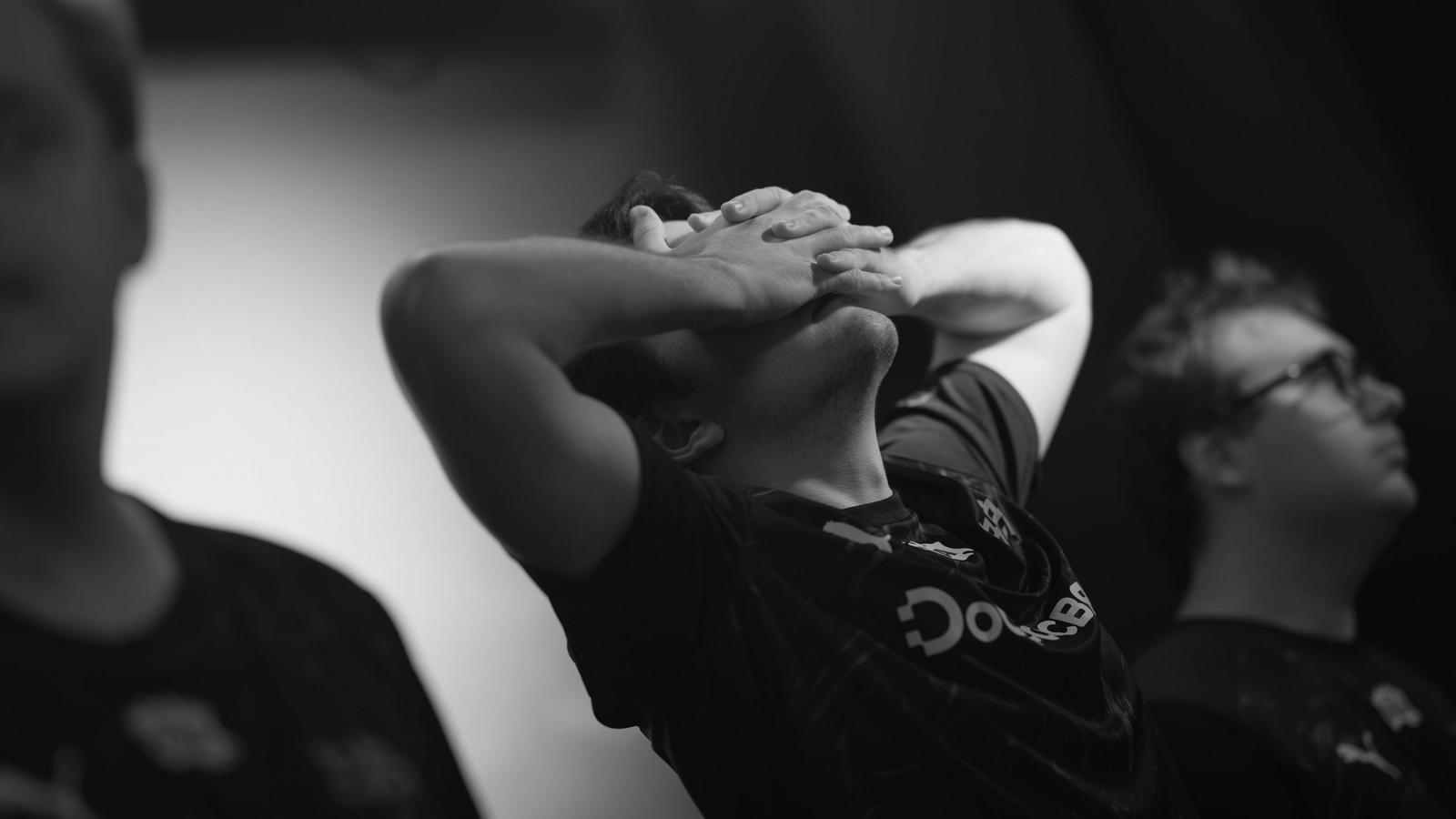
The International 2026 concluded in Shanghai on August 23. The culmination of an entire competitive year, TI is supposed to be the moment everything builds toward: months of qualifiers, tournaments, bootcamps, travel, scrims, wins, losses and roster uncertainty compressed into one final event.
And almost immediately after it ended, professional Dota started again.
Qualifiers for BLAST Slam VIII began just days later, with open qualifiers on August 26 and 27 followed by closed qualifiers on August 29 and 30.

Most of the teams that competed at TI were not involved, but HULIGANI and Team Resilience were. Their TI runs ended on August 15 and 16th respectively; less than two weeks later, they were playing another official tournament series.
PGL Wallachia Season 9 begins September 17 in Bucharest, less than four weeks after the TI Grand Final. The $1 million event will bring 16 teams together for another lengthy Tier 1 tournament running through September 27. Two days later, BLAST Slam VIII begins.
There is technically a gap between TI and the next major tournament, but calling it an offseason is something else entirely.
The break
One of the strange things about discussing rest in esports is that we tend to measure it by official match days. If a player finishes TI on August 23 and doesn't appear in another tournament until September 17, it is tempting to call that nearly a month off. Except professional players cannot simply close Dota, disappear for three weeks and arrive in Bucharest ready to compete against the best teams in the world.
There is travel home from TI, roster decisions to make and possibly contracts to negotiate. Organizations may be changing players, coaches or support staff. New lineups have to begin practicing. Teams need to scrim, study opponents and adjust to the current patch. Then there is travel to the next event, media obligations and the normal logistics involved in moving professional players across borders.
For teams undergoing roster changes, the theoretical offseason can actually become one of the busiest periods of the year.
And for the players who aren't securely invited to the next Tier 1 tournament, there are qualifiers. The teams with the most ranking power, strongest results and direct invitations can choose to step away, but the teams chasing them often cannot.
Overload
Last October provided an ugly example of what happens when the calendar becomes too crowded.
Qualifiers for BLAST, PGL Wallachia, RES Unchained, DreamLeague and FISSURE began within weeks of TI 2025, several of them colliding with one another. In South America, some teams faced as many as 28 competitive games across three days. There were players competing for stretches reportedly reaching 17 hours, with only short breaks between lobbies.
The problem didn't disappear once the new season settled down.
Earlier this year, South America Rejects competed in PGL Wallachia Season 8 while simultaneously playing DreamLeague Division 2 Season 4 online. They were fighting through the Swiss stage of a $1 million event in Bucharest while also playing another tournament on the same days. On one day, they were scheduled to play at PGL at 12:00 CEST and then DreamLeague matches at 17:00 and 20:00.
The issue resurfaced again in August, when LGD Gaming was competing in 1win Essence online while attending Games of the Future, eventually forfeiting its series against Team Liquid to accommodate the overlap.
It is an impressive demonstration of endurance, but it shouldn't be necessary.
The calendar
During the DPC era, Valve effectively controlled the competitive season. There were designated Majors, Minors, leagues, qualifiers and ultimately The International. If an offseason were going to be created, there was an obvious entity capable of creating it.
That centralized structure no longer exists. Today's Dota ecosystem is powered largely by independent tournament organizers. PGL has its Wallachia series. BLAST has its SLAM events. ESL and DreamLeague have their own ecosystem. Other organizers operate additional online and LAN competitions beneath them.
Each organizer understandably wants access to the world's best teams, but the problem appears when everyone wants access to them.
No individual tournament organizer is necessarily doing anything wrong by finding an open week on the calendar and putting an event there. But enough individually reasonable scheduling decisions can collectively create an unreasonable calendar.
We have already seen organizers attempt to adapt. BLAST, for example, announced that November's BLAST Slam IX will be held entirely online, specifically citing the busy end-of-year calendar and a desire to reduce teams' travel commitments.
That helps, but it does not create rest. And without someone overseeing the competitive year as a whole, there is no obvious mechanism for creating it.
An offseason
Dota's open ecosystem is part of what makes it interesting. Tournament organizers can build events without waiting for a central league to dictate when competition is permitted. Teams can decide which tournaments matter to them. Players can change rosters when necessary rather than waiting for a designated transfer window.
Smaller teams also need tournaments.
A mandatory shutdown could hurt exactly the players it is intended to help. Tier 2 and Tier 3 teams don't necessarily have salaries capable of carrying them through months without competition. Tournament organizers, broadcast talent, production staff and everyone else working around professional Dota also rely on events continuing.
Perhaps, then, Dota doesn't need an offseason in which nobody is allowed to play. It needs an offseason from Tier 1 Dota. Imagine several weeks after The International in which there are no Tier 1 LANs and no qualifiers feeding directly into the next premier tournament.
Smaller online tournaments could continue. Tier 2 and Tier 3 teams could compete. In fact, temporarily removing the biggest teams from the calendar could create something Dota has struggled to provide consistently: space for developing teams to actually be seen.
Room to breathe
An offseason would offer more than a chance for players to rest. The International needs room to breathe too.
TI is supposed to mark the end of a competitive year, the event everything else builds toward. There should be time to absorb what happened there. Champions should have time to celebrate, players who came painfully close should have time to process it, and teams should be able to consider what comes next without another qualifier already appearing on the horizon.
Fans could probably use that space too.
When one tournament immediately gives way to another, individual events risk losing some of their weight. There is little time for anticipation when the next competition begins before the conversation around the last one has finished.
That doesn't mean Dota needs to disappear for three months, adopt a rigid Valve-controlled calendar or return to something resembling the DPC. An offseason doesn't even have to mean shutting professional Dota down completely.
A protected period after TI could simply give the top level of the game permission to be quiet for a while. Tier 2 and Tier 3 competition could continue, roster moves would still happen and teams would still prepare for what comes next. But for a few weeks, there would be no immediate demand to qualify, travel or compete again.
The competitive systems surrounding Dota have changed repeatedly over the years, yet the same question remains: how much Dota is too much Dota?
Players have repeatedly shown that they will play the schedule placed in front of them. Teams fighting for invitations, ranking points and prize money often don't have the luxury of doing otherwise.
That makes "just take a break" an inadequate solution.
A break you can only take if you're successful enough to survive the consequences isn't really a break built into the system. It's a privilege.