Visa issues force Power Rangers out of PGL Wallachia Season 7

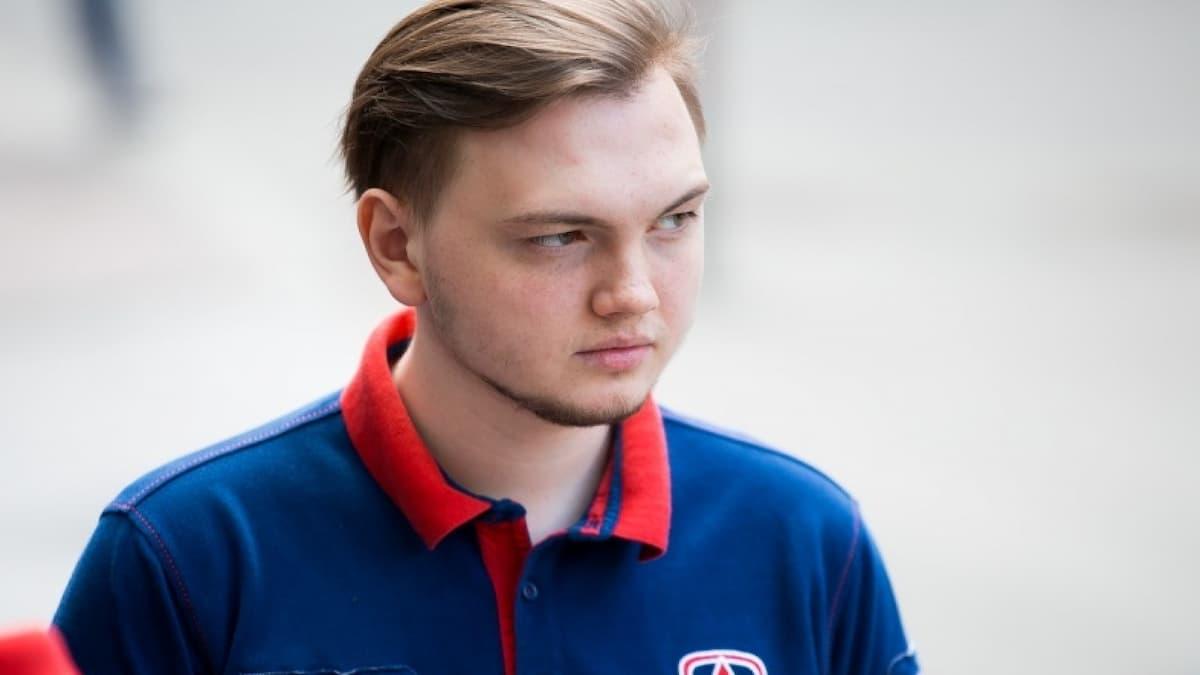
Power Rangers have officially withdrawn from PGL Wallachia Season 7, with visa issues widely believed to be the deciding factor. The Romanian LAN event will now proceed without the Eastern European squad, majority of whose five players are Russian nationals.
PGL confirmed the team’s withdrawal in an official announcement, while the team’s coach later clarified that visa complications prevented the roster from attending the event in Romania. With the tournament set to take place on LAN inside the European Union’s Schengen zone, Russian nationals face significantly stricter entry requirements than in previous years.
Just last month, Abdimalik "Malik" Sailau stood in for Yandex's Evgeniy "Noticed" Ignatenko at BLAST Slam VI, another case where visa complications forced a last-minute roster adjustment. This latest case adds to a growing list of visa-related disruptions that have become an unavoidable part of the modern Dota 2 competitive ecosystem.
A familiar problem, now more complicated
Visa issues in Dota 2 are nothing new. For over a decade, players have missed majors and even The International due to bureaucratic hurdles. In some extreme cases, government officials and tournament organizers have intervened directly.
But while visa complications have long been part of esports, the situation has grown noticeably more difficult for Russian players in recent years.
Following the escalation of the war in Ukraine, the European Union suspended its visa facilitation agreement with Russia. New rules introduced by the European Commission mean Russian nationals are no longer eligible for multiple-entry Schengen visas. Instead, they must apply for a new visa each time they intend to travel to the EU, significantly increasing uncertainty and processing time. Travel documents issued in Russian-occupied Ukrainian territories are also not accepted for entry into the Schengen area.
The result is a system that introduces additional friction into an already unforgiving competitive calendar, where tournament invitations often come with little margin for administrative delays.
Increasing competitive impact
Power Rangers’ withdrawal is just the latest example of how visa restrictions can directly reshape tournament fields. In recent years, Russian players have been forced to miss events, teams have relied on stand-ins, and some rosters have been unable to attend LAN events entirely.
For teams operating on tight schedules between qualifiers and international LAN tournaments, even minor administrative delays can be enough to derail attendance. Unlike traditional sports organizations with dedicated visa teams and long preparation windows, esports teams often operate on much shorter timelines.
These challenges may also be influencing broader decisions about where premier events are held.
Valve recently confirmed that The International 2026 will take place in China, marking a return to a region that historically presents fewer visa barriers for Eastern European and CIS players. While Valve has not explicitly cited visa accessibility as a reason for the decision, choosing a location with fewer geopolitical travel barriers could help ensure broader player participation and reduce the risk of last-minute roster disruptions.
PGL Wallachia Season 7 set to proceed
Despite Power Rangers’ withdrawal, PGL Wallachia Season 7 will proceed as scheduled. Yellow Submarine, another team with a majority of Russian nationals, has not reported any issues obtaining visas in time and remains set to compete.
The tournament will take place from March 7–15 at the PGL Studios in Bucharest, Romania. A total of 16 teams will battle on LAN for their share of the $1,000,000 prize pool