How it started vs. how it’s going: Dota 2 at the Esports World Cup

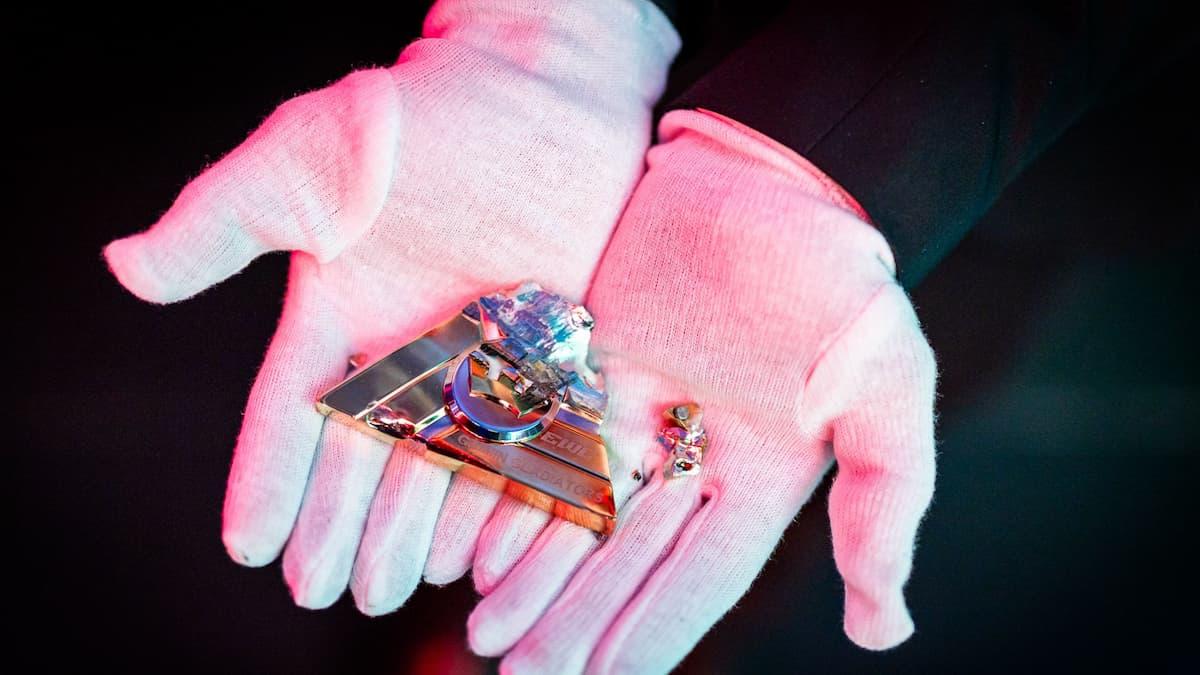
There was a moment when Dota 2 in Riyadh didn’t just feel important. It felt like the center of the esports universe.
In 2022, Riyadh Masters arrived with a $4 million prize pool, a lot of unanswered questions, and even more potential. By 2023, it had ballooned into a staggering $15 million event—the largest prize pool in Dota 2 history outside of The International. For a brief, blinding stretch, it felt like something new was forming.
Now, heading into the 2026 Esports World Cup, the question isn’t how big and important it has become.
It’s whether it still is.
How it started
2022 didn’t just introduce another tournament. It made a statement.
A $4M debut in Riyadh signaled serious intent within the Dota 2 ecosystem. The format had quirks, and the scene didn’t quite know how to position it, but PSG.LGD lifting the trophy gave it legitimacy.
Then 2023 happened along with its $15 million prize pool.
It wasn't just big—it was historic. Teams didn’t just attend, they orbited it. It became a focal point of the season, pulling attention and reshaping priorities. The event had become something close to essential. For a moment, Riyadh Masters didn’t feel like a supplement to The International.
It felt like a rival.
The shift
Then came 2025, and with it, a transformation.
Riyadh Masters didn’t disappear—but it dissolved into something bigger: the Esports World Cup.
On paper, this should have elevated everything. It became a multi-title mega event, a unified ecosystem. There was more structure, more visibility, and more importantly, more investment.
But for Dota 2, something subtle changed.
It stopped being the point and started being a part.
The prize pool which had dropped considerably in 2024 had dipped again . Although it was/is still large by most standards, but it no longer was era-defining. The identity of the event blurred and instead of a singular, headline-grabbing event, Dota became one title in a growing constellation. It was still important, but was no longer the center.
How it’s going
Now, in 2026, the numbers tell a different, much quieter story.
- $2 million prize pool
- 24 teams
- A structured but standard format
It is still significant—but a far cry from the gravitational pull of 2023.
And then there’s the Club Program. 40 partnered organisations as a flagship initiative meant to anchor the ecosystem. Each organisation receiving financial backing to grow their brand, build audiences, and activate around the event throughout the year.
Clubs will receive a six-figure base funding to grow their organization in 2026 and activate their brand, players and fans during Esports World Cup 2026. Additional funding is provided through different activities, campaigns and bounties, leading up to EWC26, based on merit and metrics
Note there is only a handful—around seven—that field Dota 2 teams.
That might be the clearest signal of all, because this isn’t just about prize pools dropping. It’s about where Dota sits in the hierarchy now which is not at the center—not even near it. It is just… one of many.
Esports World Cup 2026
None of this means Dota 2 is “dying” at EWC but it is starting to blend in with the other LAN events strewed along the road to The International and it does raise questions that didn’t exist two years ago:
- Is Dota still a priority title for the event?
- Did Dota 2 peak at Riyadh Masters 2023—and everything since has been a step back toward equilibrium?
Two years ago, Dota 2 in Riyadh felt like the center of the universe, now, it feels more like another star in the EWC orbit.
Esports World Cup 2026 serves as the final championship of the fourth season of the ESL Pro Tour. It is set to take place between July 6-18th wih 24 teams heading to Riyadh to compete for the largest slice of the $2,000,000 prize pool.
Thirteen teams will be invited based on their EPT points, including reigning champions Team Spirit. The other eleven slots will be awareded via regional qualifiers.