New York Attorney General sues Valve, alleging CS2 and Dota 2 Loot Boxes constitute illegal gambling

Lawsuit claims Valve has made "billions of dollars" through slot machine-like mechanics that target minors.
New York Attorney General Letitia James filed a lawsuit against Valve Corporation on Wednesday, accusing the video game developer of illegally promoting gambling through loot box systems in its most popular titles, including Counter-Strike 2, Dota 2, and Team Fortress 2 .
Filed in New York state court, the lawsuit alleges that Valve's in-game monetization systems violate state gambling laws by enticing users, many of them children and teenagers, to pay for the chance to win rare virtual items that can be sold for real money.
"Valve has made billions of dollars by letting children and adults alike illegally gamble for the chance to win valuable virtual prizes," Attorney General James said in a statement. "These features are addictive, harmful, and illegal, and my office is suing to stop Valve's illegal conduct and protect New Yorkers."
Quintessential gambling
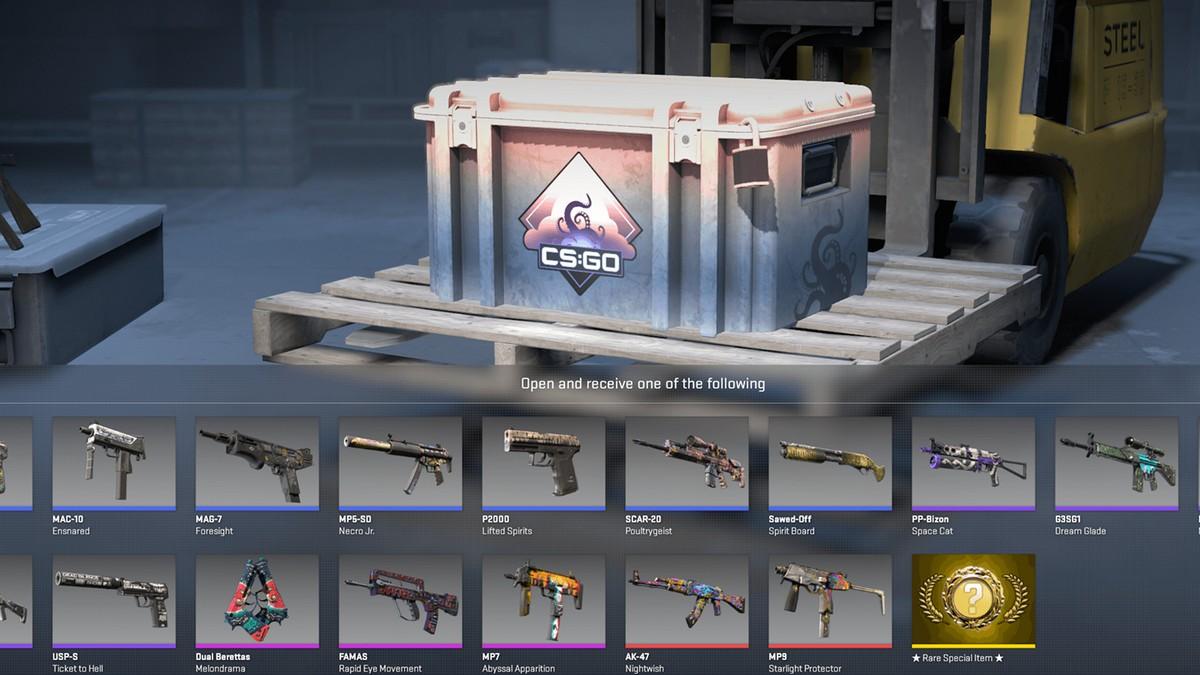
The investigation by the Office of the Attorney General found that in Counter-Strike 2, the loot box opening process "resembles a slot machine, with an animated spinning wheel that eventually rests on a selected item." Players purchase keys to open virtual containers, with prizes determined randomly according to odds set by Valve. The lawsuit describes this system as "quintessential gambling, prohibited under New York's Constitution and Penal Law."
While the virtual items awarded are purely cosmetic, such as weapon or character skins they carry significant real-world value. The rare items can sell for thousands of dollars online, with one Counter-Strike AK-47 skin reportedly selling for more than $1 million.
According to reports from March 2025, the overall market for Counter-Strike skins had surpassed $4.3 billion, attracting speculators and investors who view these items as digital assets.
The lawsuit alleges that Valve enables players to monetise their winnings through two channels: the company's own Steam Community Market, where proceeds can be used to purchase other games and hardware, and third-party marketplaces where items can be sold directly for cash.
According to the OAG's investigation, Valve not only facilitates these third-party platforms but actively "assists them in their operations". The state estimates that Valve has earned tens of millions of dollars from selling loot box keys to New York residents alone, plus millions more in commissions from item trades.
Protection of minors central to case
A key element of the lawsuit focuses on the vulnerability of young players. The attorney general's office argues that children introduced to gambling are four times more likely to develop gambling problems later in life.
“Valve's loot boxes are particularly pernicious because they are popular among children and adolescents, who are lured into opening loot boxes by the prospect of winning expensive virtual items that convey status in the gaming world." The complaint also notes security concerns, revealing that Valve has received hundreds of thousands of support requests from users reporting hacked accounts or being tricked into transferring items to bad actors.
Regulatory context
This lawsuit represents the latest challenge in a growing global movement against loot boxes. In 2023, Genshin Impact developer Cognosphere was fined $20 million by the FTC for loot box sales to children under 16 . In 2024, the Australian government mandated that games with loot boxes carry an "M" rating. China and South Korea already require disclosure of loot box odds.
Valve previously restricted loot box functionality in the Netherlands after a 2018 ruling classified paid loot boxes as gambling, though that decision was overturned in 2022. The lawsuit seeks to permanently bar Valve from promoting gambling features in its games and impose financial penalties, including a fine of three times the amount of its profits from the features.
Valve has not yet issued a public response to the lawsuit.